
Peak Human Ops — Run Your Body Like an Operator
Biohacking for operators: sleep, biomarkers, supplements, and recovery tech run as one measured system, not a 40-item protocol. Evidence-graded, no fluff.
Your body is a system you run, not a problem you manage
Most biohacking content ranks by feature count: more sensors, more supplements, more app screens. None of it tells you whether the number on the screen is real. Peak Human Ops runs the same discipline you already apply to a business — baseline, one change at a time, measure, keep or drop — and applies it to sleep, biomarkers, supplements, and recovery tech.
Start with the full framework →
What you'll find here
- Sleep — the system everything else posts to. Optimization frameworks, evidence-graded natural aids, and honest device reviews.
- Biomarkers — annual blood panels, at-home hormone kits, and biological-age tests, evaluated for what they actually predict.
- Supplements — evidence-graded, not hype-graded. Creatine, magnesium, nootropics, and B12 covered by what the data supports, not what sells.
- Wearables & recovery tech — Oura vs. Whoop, sleep trackers ranked by validated accuracy, HRV as an operational signal, and cold plunge benefits without the overstatement.
Browse every article
Sleep
 Sleep Optimization: The Framework, Not Another Sleep Hygiene ChecklistWhat sleep optimization means when ‘go to bed earlier’ isn’t an option: the two levers that matter, what to measure first, and how long to test a change.
 How to Sleep Better at Night, Naturally: A Step-by-Step ProtocolA step-by-step, non-pharmaceutical protocol for falling asleep faster and staying asleep, ordered by evidence and effect size, not folklore.
 Natural Sleep Aids, Graded by Evidence (Not by Marketing)Magnesium, glycine, apigenin, and the rest of the natural sleep-aid stack, ranked by RCT evidence and real effect size, not marketing claims.
Nutrition & Metabolic Tracking
 Continuous Glucose Monitors for Non-Diabetics: What They Actually Tell YouWhether a CGM is worth wearing without diabetes: what the curve means, what it doesn’t, real OTC prices, and the overinterpretation mistakes to skip.
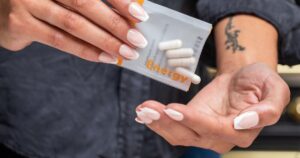 B12 for Energy: When It Actually Helps (and When You’re Just Buying Expensive Urine)B12 supplements only raise energy if you’re actually deficient. The test to run first, the cutoffs that matter, and what happens if you skip it.
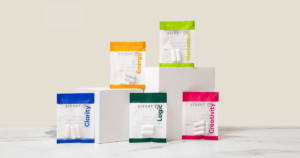 The Supplement Stack for Focus and Energy That Isn’t Just CaffeineHow to actually stack supplements for focus and energy: what combines, what cancels out, dosing order through the day, and how to test one addition at a time.
Biomarkers & Testing
 Biological Age Tests: Which Ones Are Worth the MoneyA comparison of epigenetic and biomarker-based biological age tests: what each measures, what it costs, and what it can’t tell you.
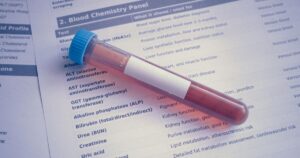 Blood Biomarker Testing: The Panel Worth Running Once a YearWhich blood biomarkers are actually worth tracking annually as a healthy adult, and how to read the panel like a P&L, not a pass/fail.
 At-Home Hormone Test Kits: What They Get Right and Where They Fall ShortA collection-method comparison of at-home hormone test kits — finger-prick, saliva, and venous draw — with accuracy data and a clinician-escalation guide.
Supplements
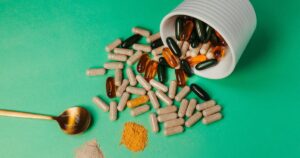 Nootropics for Focus, Graded by EvidenceWhich nootropics have real trial support for focus and working memory, ranked by evidence tier, with the popular options to skip named explicitly.
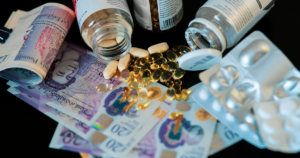 The Best Supplements for Energy, Ranked by Evidence and CostSix energy supplements ranked by evidence tier and cost per effective dose, cutting through the men’s/women’s marketing repackaging of the same five ingredients.
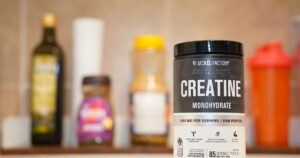 Creatine for Energy and Focus, Not Just the GymThe cognitive and cellular-energy case for creatine, outside of muscle-building: dosing, timing, safety, and the myths that don’t hold up.
 Magnesium for Energy: The Form Matters More Than the DoseWhy magnesium glycinate, citrate, and oxide behave differently in the body, and which form actually supports energy and sleep.
Wearables & Recovery Tech
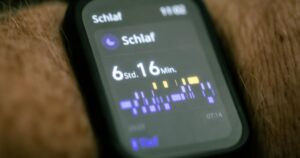 Oura vs. Whoop: Which One Actually Changes What You DoA head-to-head on Oura and Whoop for recovery tracking: accuracy, subscription cost, and which one you’ll actually act on.
 How to Actually Use HRV Tracking (Most People Just Watch the Number)A step-by-step approach to using HRV data to make a real decision — train, rest, or push — instead of just checking a score.
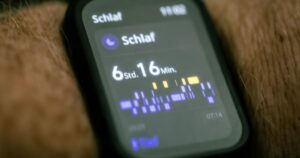 The Best Sleep Trackers, Ranked for Accuracy Over FeaturesA sleep tracker ranking built on validated accuracy data, not feature lists: ring, band, mattress sensor, and phone app, tested against real studies.
 Cold Plunge Benefits: What’s Real, What’s OverstatedThe actual evidence behind cold plunging: mood and alertness effects are real and fast, but the fat-loss and testosterone claims aren’t supported.
How this is different
Every claim on this site traces to a cited, dated source or a disclosed first-person experiment — never both absent. We say plainly what we don't know. We never present a single data point as a conclusion. Read the full standard in our editorial policy.